

The recent viral video exposing fraud at daycare centers in Minnesota was a turning point for me. Watching the footage, it became clear how easily public money can disappear behind layers of bureaucracy, vague oversight, and carefully managed narratives. The story spread quickly because it revealed something many people instinctively understand but rarely see proven so plainly: massive failures can persist for years when the flow of public funds remains hidden from public scrutiny.
As I dug deeper, an uncomfortable truth became impossible to ignore. The system was structured in a way that consistently rewards insiders and foreign beneficiaries while ordinary Americans are left carrying the cost. Public funds meant to support families, communities, and children are routed through complex networks where accountability dissolves. Over time, this arrangement has hollowed out trust and transferred enormous wealth upward and outward, while Americans are told to accept higher costs, fewer opportunities, and endless excuses.
When that reality finally sinks in, it ignites a righteous fury. People feel it when they struggle to provide for their families, when their children and grandchildren are priced out of homes, delayed from starting families, and burdened by a future that feels smaller than the one promised. These outcomes did not happen by accident. They were the predictable result of policy choices that allowed public money to be exploited while the public itself was kept in the dark.
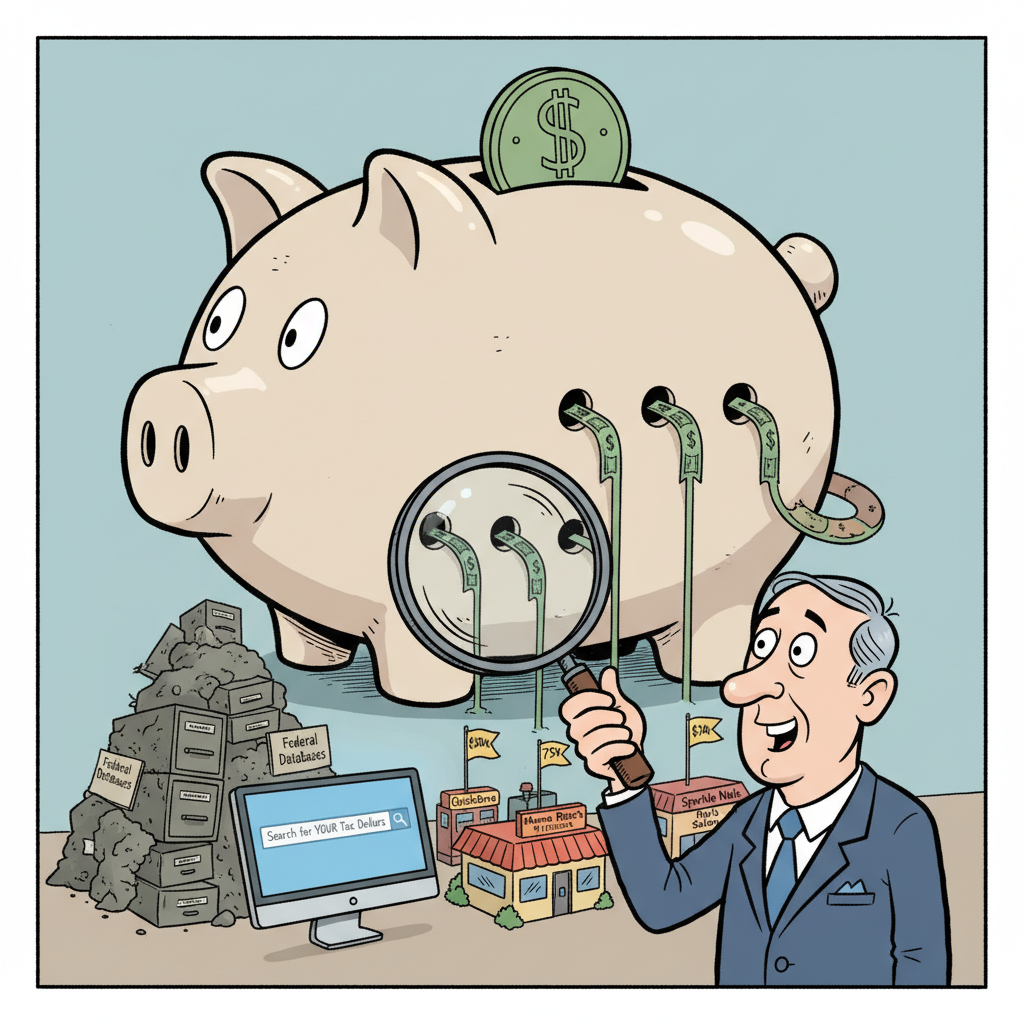
You Fund This was built out of that anger and clarity. It exists to give citizen researchers and journalists the tools to trace where government money is actually flowing and who is benefiting from it. Transparency is a form of resistance. When people can see the funding trails for themselves, the lies lose their power. Rage, when grounded in truth and directed toward accountability, becomes the fuel for real change.
The platform focuses on twenty different business types, including gas stations, hotels, restaurants, convenience stores, call centers, personal care services, and smoke and vape shops. Each category page provides detailed breakdowns of SBA loan recipients, showing the business name, location, loan amount, loan type, and approval date. Users can search and filter results by state, amount ranges, and keywords to find exactly what they are looking for.
One of the standout features is the interactive map with color coded markers that visualizes where funding recipients are located geographically. This allows users to identify patterns and clusters of funding activity across different regions. The visual approach makes it easier to understand the distribution of government backed financing without having to parse through endless spreadsheets.
The foreign aid tracking component is particularly comprehensive, covering U.S. assistance to other nations from 1946 through 2025 with inflation adjusted figures. This historical perspective helps users understand how American foreign assistance has evolved over nearly eight decades.
Gab built You Fund This because transparency in government spending matters. When citizens can easily see how public funds support private businesses, it creates accountability and informs public discourse about economic policy. The platform transforms raw government data into an accessible, searchable resource that serves journalists, researchers, business owners, and everyday citizens who want to understand the relationship between government programs and the businesses in their communities.
Check it out here and please spread the word and support our efforts.